Your kitchen floor endures spills, dropped utensils, and constant foot traffic every day. Choosing the best flooring for your kitchen depends on your lifestyle, budget, and aesthetic preferences. Finding the perfect balance between durability, maintenance, and style is essential for this high-traffic area of your home.
In this guide, Home Renovations By Jeffrey Scott will explain what type of floor is best for a kitchen and what factors to consider when making this decision.
Evaluating Kitchen Flooring Options
When considering a floor option for your kitchen, durability and water resistance should top your priority list. Kitchens experience more moisture, spills, and heavy foot traffic than most other rooms.
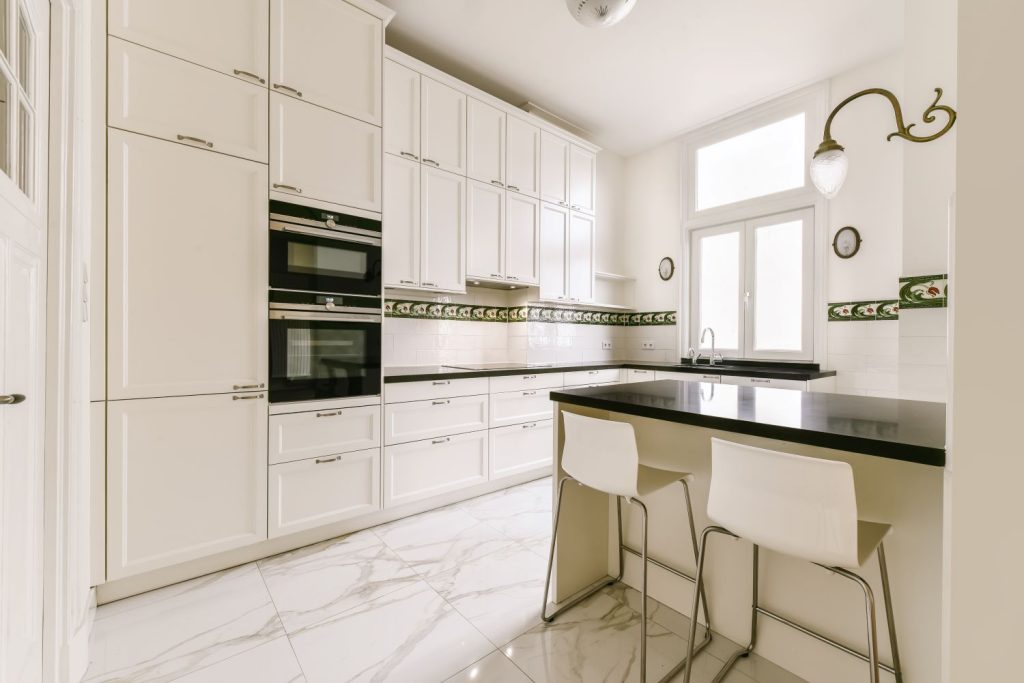
Ceramic tile is one of the most reliable kitchen flooring options, particularly in warm climates. Its impervious nature makes it resistant to water, stains, and heat damage, which are all common kitchen hazards.
The Hardwood Debate
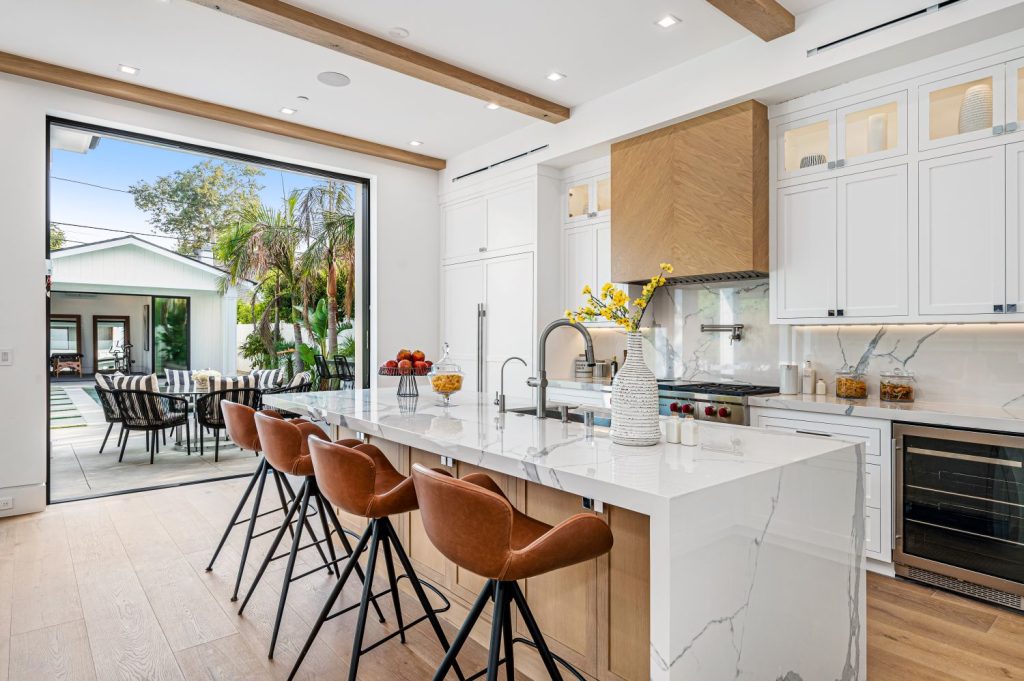
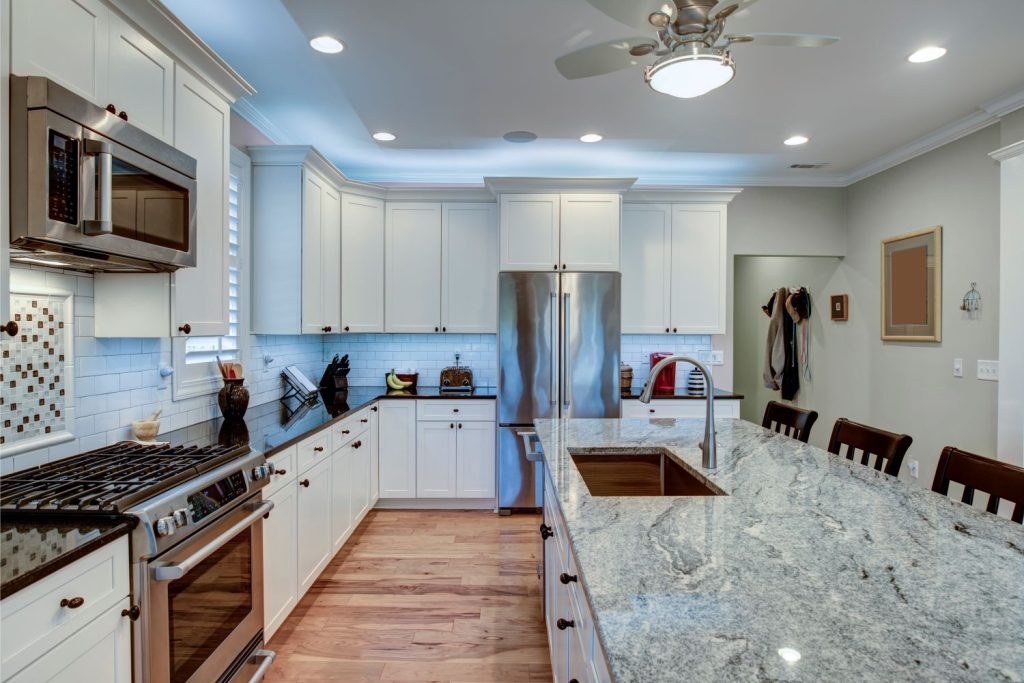
Despite conventional wisdom suggesting otherwise, hardwood flooring has become increasingly popular in kitchen settings. Modern sealants have greatly improved wood’s resistance to moisture and spills.
Hardwood offers unmatched warmth and comfort underfoot, making it pleasant during long cooking sessions. For Florida homeowners concerned about humidity, engineered hardwood provides a more stable alternative while maintaining the authentic wood appearance.
Practical Luxury Vinyl Options
What type of floor is best for a kitchen? Luxury vinyl has revolutionized kitchen flooring with its combination of affordability and performance. This versatile material can convincingly mimic the appearance of wood, stone, or ceramic at a fraction of the cost.
Waterproof flooring is particularly valuable in kitchens, and high-quality luxury vinyl planks deliver this essential feature. The material’s softness provides comfort, while its durability withstands high traffic.
Natural Stone Considerations
Natural stone flooring brings unique character and timeless appeal to kitchen spaces. Materials like granite and slate offer exceptional durability and resistance to heat damage.
The main drawback is porosity. Most natural stone requires regular sealing to prevent staining and water penetration. However, many local homeowners find the distinctive aesthetic worth this additional maintenance.
Laminate Flooring Limitations
Laminate flooring offers an affordable way to achieve the look of hardwood without the associated cost. While budget-friendly, laminate’s vulnerability to moisture makes it problematic for kitchen environments.
Some newer laminate products offer enhanced water resistance, but they still cannot match the performance of true waterproof options like luxury vinyl or ceramic tile. Consider laminate only if your kitchen sees minimal moisture exposure.
Home Renovations By Jeffrey Scott: Helping You Find the Perfect Kitchen Flooring
What flooring is the best for a kitchen? It depends on your specific needs, style preferences, and durability requirements.
At Home Renovations By Jeffrey Scott, we believe that the perfect kitchen flooring balances visual appeal with practical performance for your household’s unique lifestyle. Our design team specializes in helping homeowners navigate these important decisions for Florida’s climate challenges.
Are you ready to discover what floor is best for your kitchen? Call Home Renovations By Jeffrey Scott today to schedule a consultation with our flooring experts.